Location and timing come first
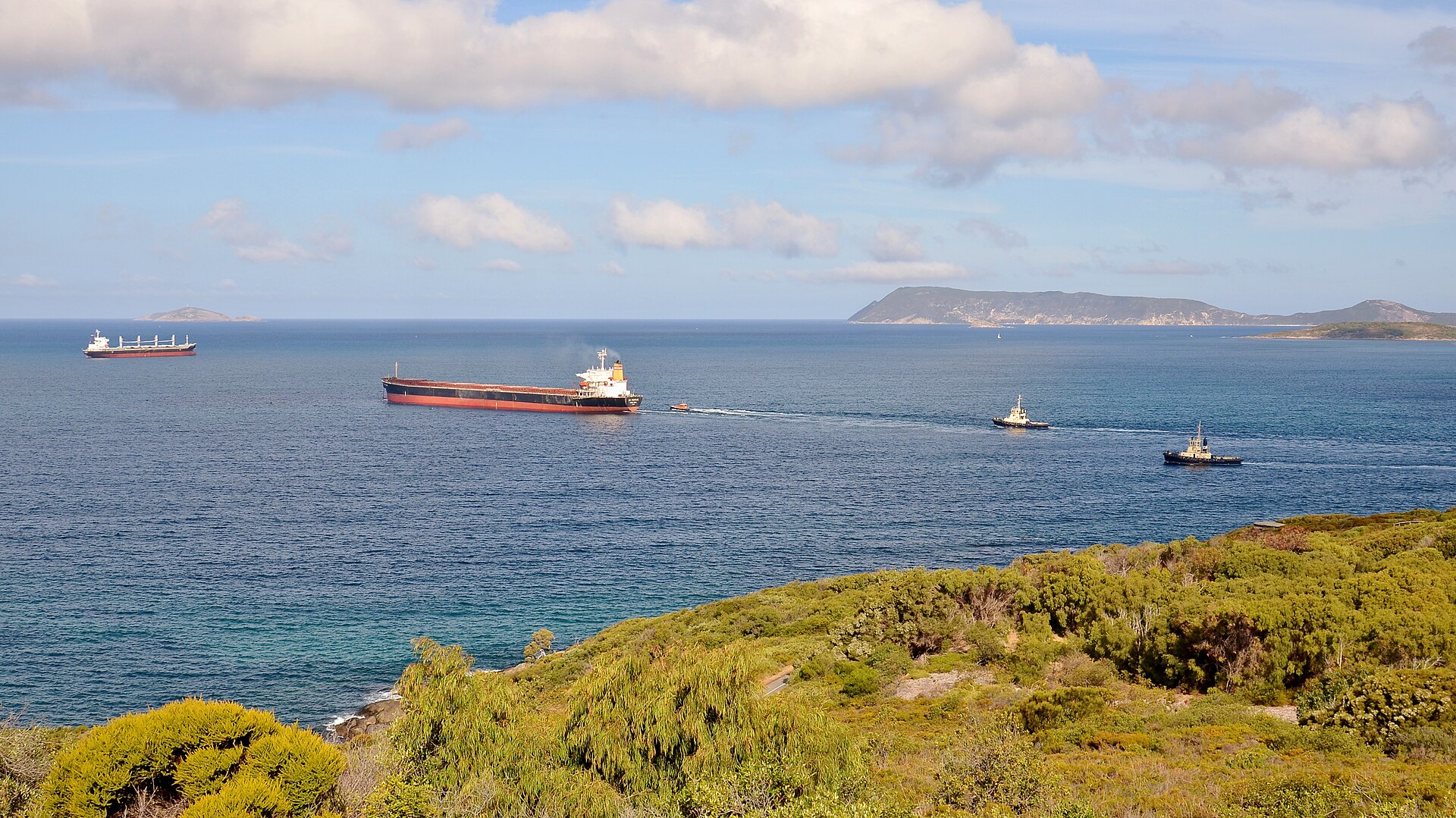
An open vessel position identifies where and when a ship is expected to be available. The position may be estimated, subject to completion of a previous voyage, or require reconfirmation. A nearby vessel is not necessarily a workable vessel if the dates do not align.
Capacity needs context
Deadweight is a useful reference, but it is not a guarantee of the cargo quantity a vessel can load on a particular voyage. Draft limits, bunkers, stores, cargo density and available cubic capacity all need to be considered. Ask for the relevant particulars rather than relying on a headline figure.
Match the ship to the operation
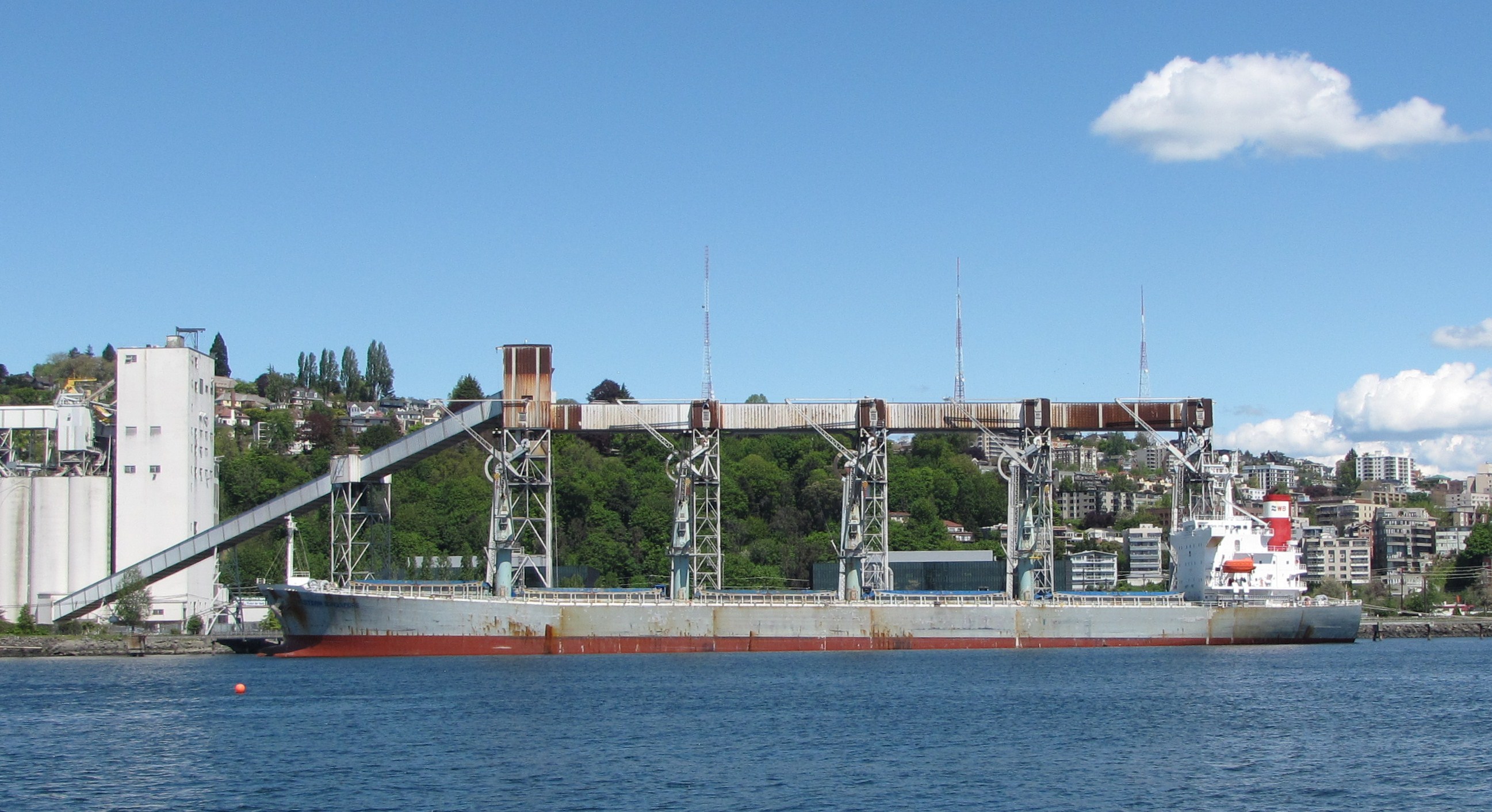
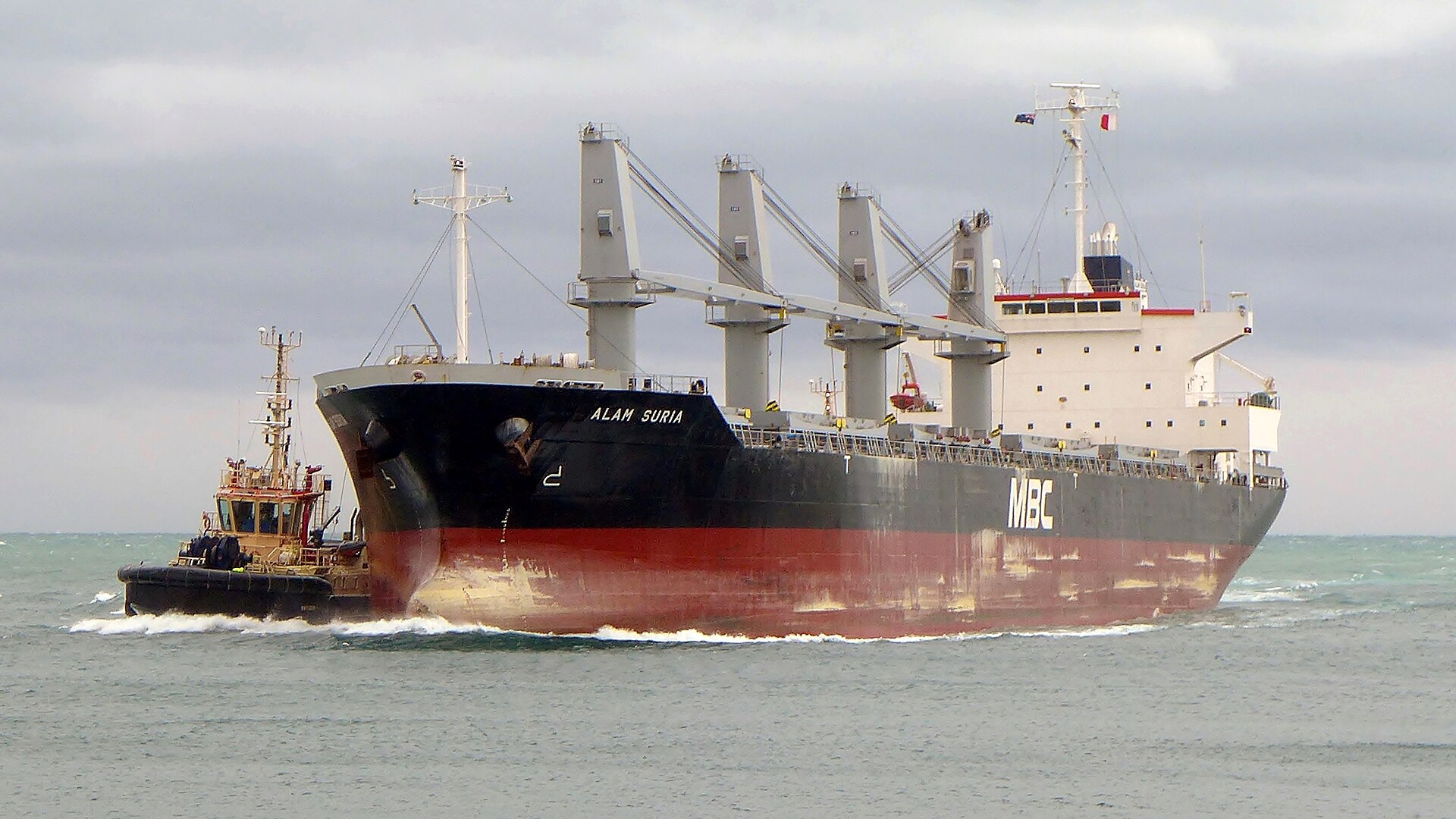
Check holds, hatches, gear and any cargo-specific requirements against the port and terminal arrangements. Crane capacity, outreach and whether combined lifts are possible should be confirmed where relevant. Vessel age and acceptance requirements can also affect suitability.
Reconfirm before committing
Vessel positions change. Availability, routing, suitability and commercial terms need to be reconfirmed with the vessel's authorised representative. A position list is a starting point for discussion, not a firm commitment.